Puma Infantry Fighting Vehicle
Compare with
Overview
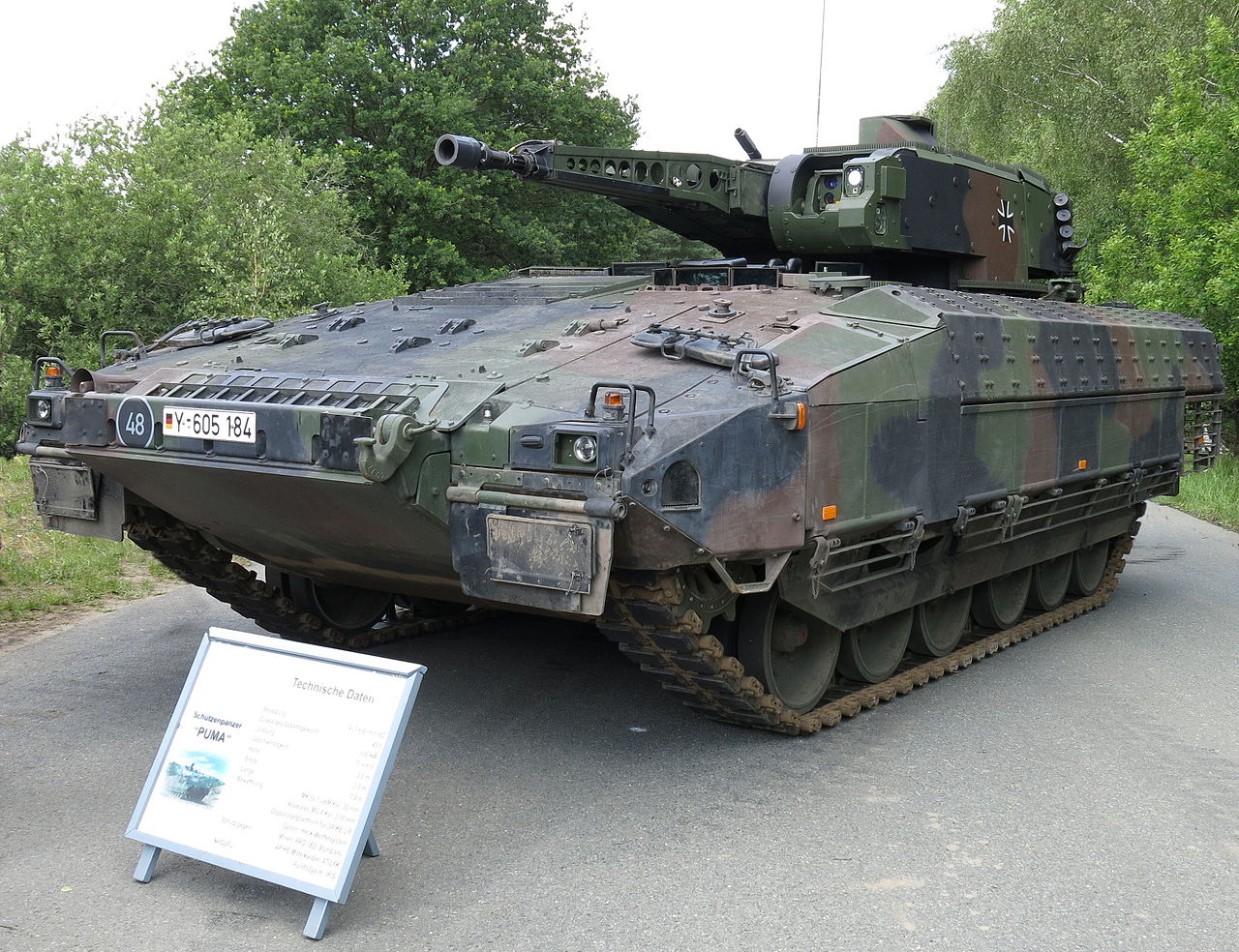
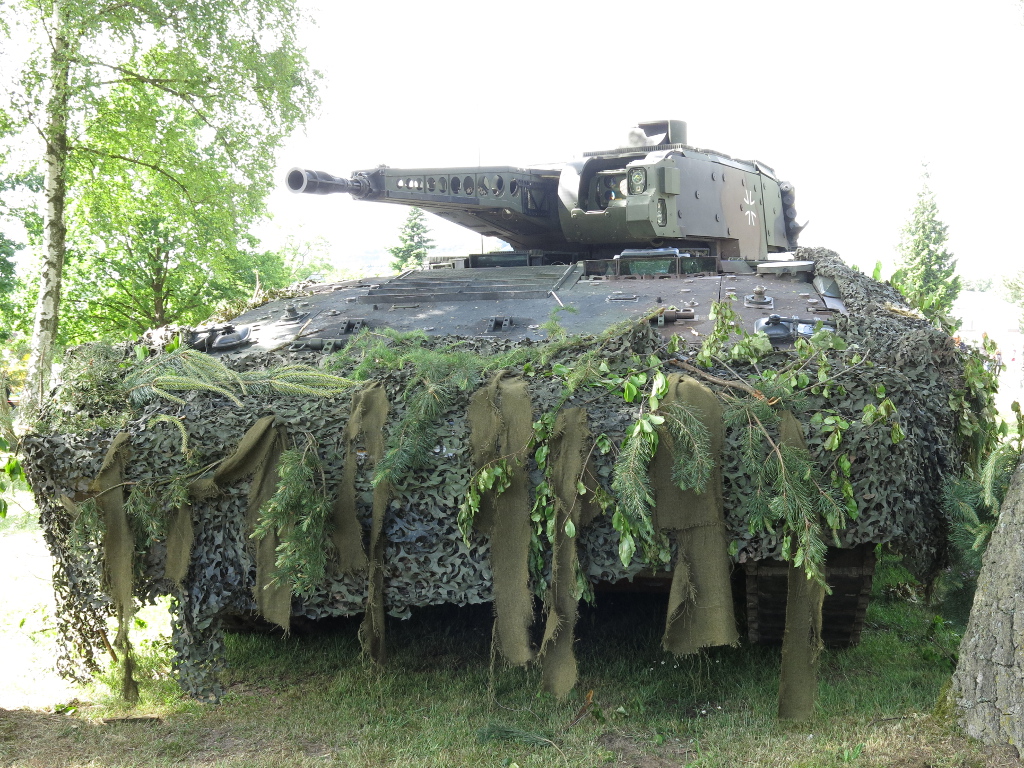
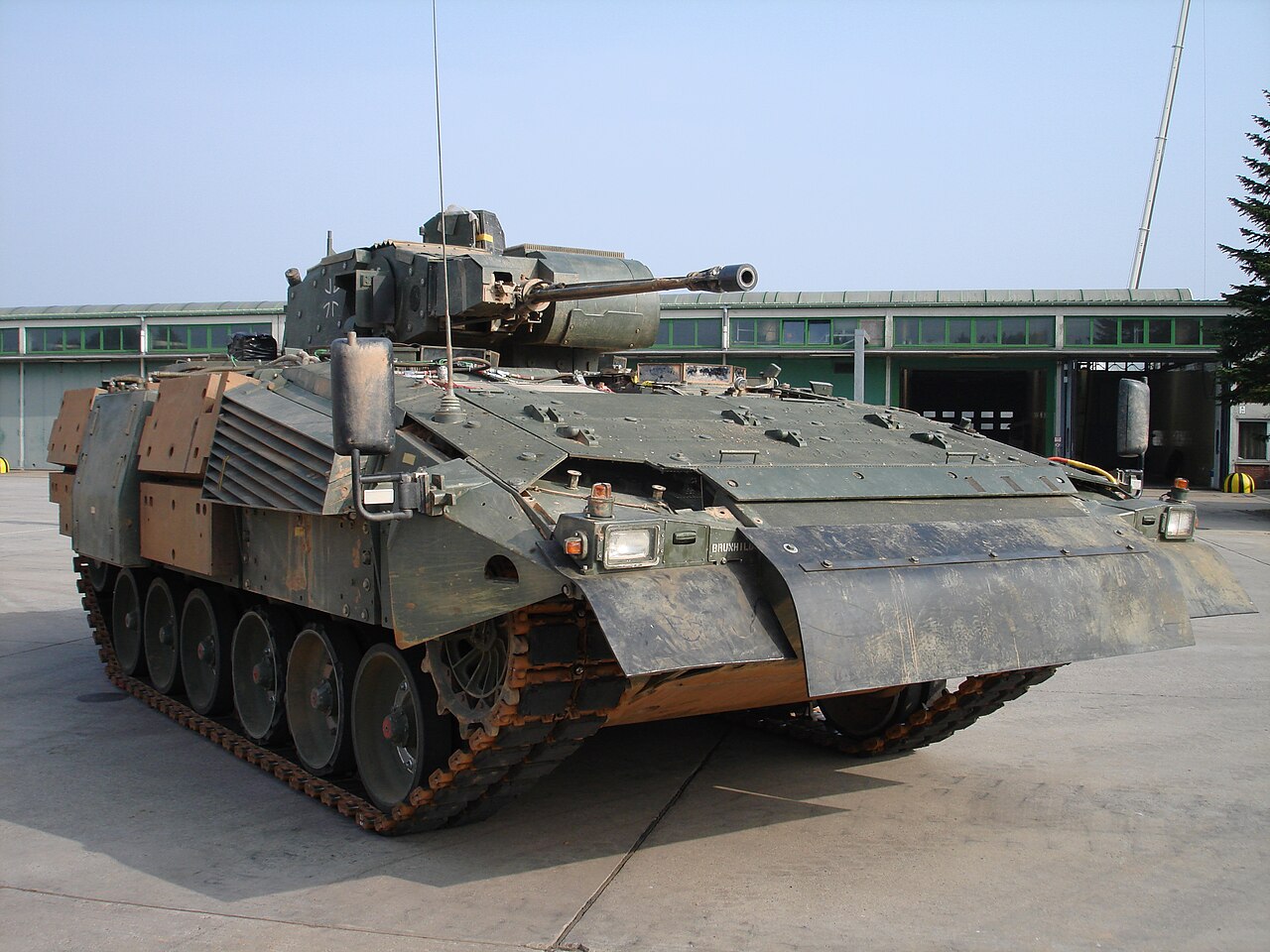
The Puma Infantry Fighting Vehicle represents Germany's attempt to create the most survivable and technologically advanced IFV in the world. Developed jointly by Krauss-Maffei Wegmann and Rheinmetall, the Puma entered service with the Bundeswehr in 2015 after a protracted development plagued by cost overruns and technical issues. At approximately $17 million per vehicle, it is among the most expensive IFVs ever produced. Strategically, the Puma was designed during the height of NATO's Afghanistan operations but reflects lessons learned from urban warfare and IED threats. Its modular armor system allows for mission-specific protection levels, while advanced C4I systems enable network-centric operations. The vehicle's design philosophy prioritizes crew survivability above all else, featuring blast-resistant hulls, advanced fire suppression, and redundant systems. In the current threat environment, the Puma's sophisticated sensors and fire control systems make it well-suited for conventional warfare against near-peer adversaries. However, its complexity has proven problematic — during NATO exercises, German Puma units have suffered significant readiness issues, with availability rates sometimes dropping below 50%. This has raised questions about over-engineering and the trade-offs between capability and reliability. Compared to peers like the Bradley M2A4 or CV90, the Puma offers superior protection and sensors but at significantly higher cost and complexity. Its 30mm autocannon and advanced fire control system provide excellent firepower, but the vehicle's weight (over 40 tonnes in full configuration) limits strategic mobility and requires heavy logistics support.
Deployment Map
Home ports from known hull assignments. Operating areas reflect typical AORs — individual deployments will vary.
Timeline
Specifications
Armament
Dual-feed system with APFSDS-T and HE rounds
Electro-optical/IIR guidance, top-attack capability
Coaxially mounted with main gun
Multi-spectral screening
Operational Patterns
Typical Deployment
Mechanized infantry battalions, NATO forward presence missions
Deployment Length
6 months
Typical Task Group
Operates with Leopard 2 tanks in combined arms formations
Readiness
Availability rates fluctuate between 40-70% due to maintenance issues
Key Operating Areas
Peer Comparison Matrix
Puma offers better protection and sensors but Bradley is more reliable and proven. Puma costs 3x more but provides superior survivability in high-threat environments.
Video angle: Old reliable vs. high-tech gamble - is the Puma's advanced tech worth the reliability risks?
CV90 is lighter, more reliable, and significantly cheaper. Puma has better armor and sensors but CV90's modularity and proven track record appeal to many operators.
Video angle: Nordic pragmatism vs. German over-engineering - which philosophy wins in modern warfare?
BMP-3M emphasizes firepower over protection, costs fraction of Puma. Puma's advanced fire control would dominate in direct engagement but BMP's numbers could overwhelm.
Video angle: Quality vs quantity - can expensive Western IFVs handle mass Soviet-doctrine armor?
Similar cost and complexity issues but Ajax focuses on reconnaissance. Both show pitfalls of over-ambitious military procurement programs.
Video angle: When military procurement goes wrong - two cautionary tales of over-engineering
Combat History
Puma IFVs deployed to Lithuania as part of NATO deterrence mission against Russia
First operational deployment in high-tension environment, demonstrated NATO interoperability
All 18 Puma vehicles of a battalion failed during NATO exercise due to technical problems
Highlighted serious reliability issues, led to temporary grounding of fleet and investigation
Known Vulnerabilities
Mechanical Reliability
Complex systems prone to failure - entire battalions have been rendered non-operational during exercises
Context: Over-engineering has created maintenance nightmares that could prove catastrophic in sustained operations
Mitigation: Ongoing reliability improvement program, simplified maintenance procedures being developed
Strategic Mobility
At 43+ tonnes fully loaded, requires heavy transport and limits air mobility options
Context: Weight restricts deployment options and increases logistical footprint compared to lighter IFVs
Mitigation: Modular armor allows weight reduction for transport, but compromises protection
Cost Sustainability
At $17M per vehicle, replacement costs are prohibitive and limit procurement numbers
Context: High unit cost means losses in combat would be difficult to replace quickly
Mitigation: Germany exploring export sales to reduce unit costs through larger production runs
Variants
| Variant | Designation | Years | Count | Status | Key Changes |
|---|---|---|---|---|---|
| Puma Basic | Initial production batch | 2015-2020 | 280 | active | Base configuration with Level A armor protection, basic sensor suite |
| Puma S1 | Upgrade package | 2020-present | 70 | active | Enhanced armor package, improved fire control system, MELLS integration |
Fleet Roster (2)
| Hull | Name | Variant | Commissioned | Home Port | Status |
|---|---|---|---|---|---|
| Various | Panzergrenadierbataillon 371 | Puma Basic/S1 | 2015-ongoing | Marienberg | active |
| Various | Panzergrenadierbataillon 391 | Puma Basic/S1 | 2016-ongoing | Bad Salzungen | active |
Modernization Programmes
Puma Upgrade Program
Addressing reliability issues identified in 2022, upgrading electronics and improving maintainability
Impact: Should improve availability rates and reduce maintenance burden
VJTF Lead Nation
Modifications to support Germany's role leading NATO's Very High Readiness Joint Task Force
Impact: Enhanced C4I capabilities and NATO interoperability standards
Images




Frequently Asked
How many Puma Infantry Fighting Vehicle are in service?
2 Puma Infantry Fighting Vehicle are currently in service with German Army (Bundeswehr).
When was the first Puma Infantry Fighting Vehicle commissioned?
The first Puma Infantry Fighting Vehicle entered service in 2015.
Who builds the Puma Infantry Fighting Vehicle?
The Puma Infantry Fighting Vehicle is built by Projekt System & Management GmbH (PSM).
What variants of the Puma Infantry Fighting Vehicle exist?
Known variants include: Puma Basic, Puma S1.
How much does a Puma Infantry Fighting Vehicle cost?
Unit cost is approximately $17M per hull.
Watch Puma Infantry Fighting Vehicle in Action
Iron Command produces in-depth comparison and analysis videos for military equipment.
Watch on YouTube