
Moudge-class frigate
Compare with
Overview
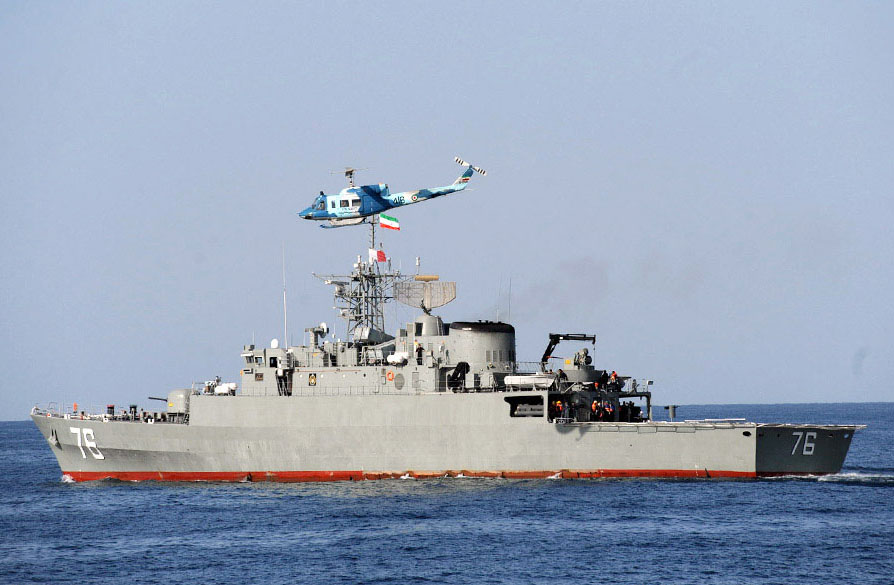
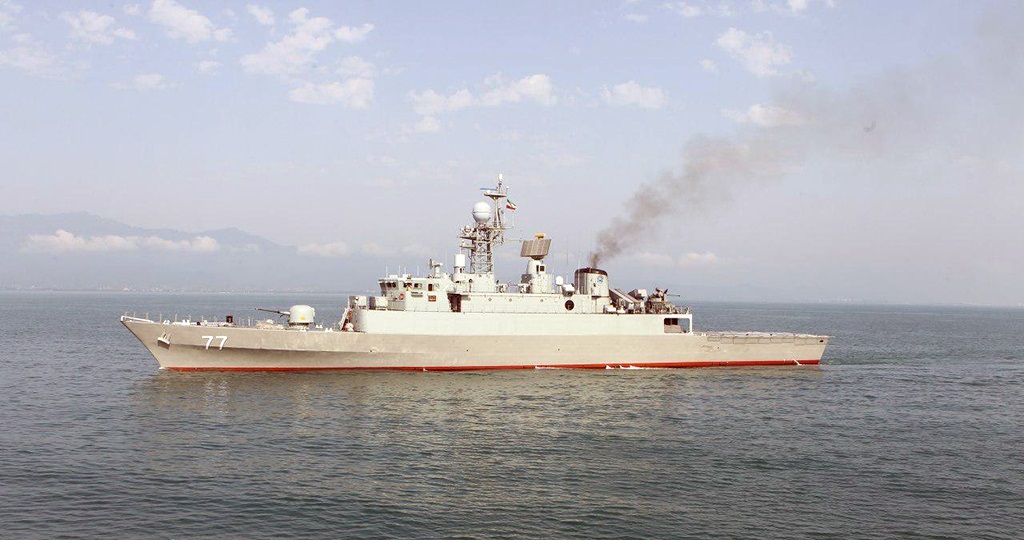
The Moudge-class frigate represents Iran's most ambitious indigenous naval shipbuilding program, designed to provide the Islamic Republic of Iran Navy (IRIN) with modern surface combatants capable of regional power projection and coastal defense. Based on the reverse-engineered British Alvand-class (Vosper Mk 5) frigates acquired in the 1970s, the Moudge class incorporates domestic Iranian systems alongside foreign components to create a platform optimized for operations in the Persian Gulf and Arabian Sea. Strategically, these frigates serve as the backbone of Iran's conventional naval deterrent, designed to counter perceived threats from U.S. and allied naval forces in the region. The class embodies Iran's 'resistance economy' philosophy, attempting to achieve naval modernization despite international sanctions through indigenous production capabilities. Each vessel incorporates lessons learned from the Iran-Iraq War, emphasizing survivability and the ability to operate independently for extended periods. The Moudge class fills a critical capability gap for Iran, providing air defense, anti-ship, and anti-submarine warfare capabilities that bridge the gap between Iran's small fast attack craft and larger destroyer-class vessels. While technologically inferior to Western contemporaries, these frigates represent a significant advancement over Iran's aging fleet of 1970s-era vessels and demonstrate Iran's growing naval industrial capacity. In the current threat environment, Moudge-class frigates serve as Iran's primary conventional naval response to increased Western naval presence in the Gulf. Their relatively modern sensors and weapons systems, combined with knowledge of local operating conditions, make them formidable opponents in littoral warfare scenarios, though they would struggle in open-ocean engagements against modern Western naval forces.
Deployment Map
Home ports from known hull assignments. Operating areas reflect typical AORs — individual deployments will vary.
Timeline
Specifications
Armament
Iranian-produced variant of Chinese C-802
Iranian variant of SM-1, uncertain performance
Iranian-produced naval gun system
Russian-origin rotary cannon systems
324mm tubes for anti-submarine warfare
Doctrine & Employment
Role
Coastal sea denial and regional deterrence within the Persian Gulf's confined waters, designed to complicate U.S. naval operations through asymmetric tactics rather than direct confrontation.
Design Philosophy
Prioritized anti-ship firepower and basic air defense over blue-water endurance and sophisticated sensors, accepting reduced range and habitability for indigenous production capability. Designers sacrificed helicopter facilities and advanced sonar systems to maximize surface-to-surface missile capacity within Iran's industrial constraints.
Employment
Typically operates in small task groups of 2-3 vessels with fast attack craft and missile boats in a layered defense concept. Conducts anti-ship missile strikes from coastal positions, escorts higher-value units like Sahand-class frigates, and provides air defense for naval bases and chokepoints. Command relationships remain centralized under IRIN headquarters rather than distributed tactical control.
Threat Context
Designed primarily to counter U.S. carrier strike groups and allied naval forces in a Hormuz Strait closure scenario during the 2000s-2010s. The threat environment has evolved to include more sophisticated ISR capabilities and precision strike weapons that challenge the platform's survival in contested waters.
How to Compare
Compare primarily on anti-ship missile capacity and production sustainability rather than sensor sophistication or multi-mission capability—Iran accepts reduced naval warfare complexity in exchange for numbers and indigenous control. Cost-per-unit and maintenance independence matter more than individual platform capability against peer competitors.
Operational Patterns
Typical Deployment
Coastal patrol and area denial in Persian Gulf, occasional Indian Ocean presence missions
Deployment Length
3 months
Typical Task Group
Usually operates independently or with supply vessel, occasionally with submarine escort
Readiness
Readiness likely limited to 50-60% due to maintenance challenges and component availability under sanctions
Key Operating Areas
Peer Comparison Matrix
Perry-class offers superior sensors, combat systems, and reliability, but Moudge class is more modern design with potential for upgrades. Similar displacement but Perry-class has proven combat record.
Video angle: David vs Goliath - how Iran's indigenous frigate compares to proven U.S. design
Similar vintage and capability level, both use mix of indigenous and foreign systems. Chinese design has better air defense with HQ-7 SAMs and more mature electronics. Moudge has advantage in anti-ship missiles.
Video angle: Regional power naval competition - Iran vs China frigate capabilities
Russian-built Gepard offers superior sensors, weapons integration, and build quality. Moudge represents indigenous capability vs foreign procurement approach. Similar roles in regional navies.
Video angle: Sanctions vs purchases - indigenous Iranian vs Russian-built Vietnamese frigates
Turkish design significantly more advanced with modern Western systems, stealth features, and NATO interoperability. Represents what Iran might achieve without sanctions. Ada-class smaller but more capable.
Video angle: Regional power projection - Turkish vs Iranian naval modernization approaches
Combat History
Damavand (77) ran aground and was severely damaged during Caspian Sea operations, later declared total loss
Highlighted navigation and seamanship challenges with new indigenous platforms
Jamaran participated in Iranian naval exercises during heightened tensions with U.S. forces following tanker incidents
First operational deployment of class during major regional crisis
Sahand conducted extended deployment to Indian Ocean, demonstrating long-range capability
Proved class capability for blue-water operations beyond Persian Gulf
Known Vulnerabilities
Electronic warfare susceptibility
Indigenous electronic systems likely vulnerable to modern Western ECM due to limited sophistication and testing against advanced threats
Context: Critical weakness against U.S./Israeli electronic warfare capabilities in potential conflict scenarios
Mitigation: Ongoing development of improved EW systems, but technological gap remains significant
Limited air defense envelope
Mehrab SAM system provides only point defense with questionable reliability and limited engagement envelope against modern anti-ship missiles
Context: Vulnerable to saturation attacks or advanced supersonic/hypersonic missiles
Mitigation: Potential VLS upgrade planned, but timeline uncertain
Maintenance and spares
Mixed foreign/domestic systems create complex logistics challenges, particularly for foreign-origin components under sanctions
Context: Operational readiness likely limited by parts availability and maintenance capacity
Mitigation: Increasing indigenization of components, but some critical systems still foreign-dependent
Crew training and experience
Limited blue-water operational experience and training opportunities due to sanctions and international isolation
Context: Reduced effectiveness in complex multi-threat environments compared to Western-trained crews
Mitigation: Increased domestic training programs and exercises, but real-world experience remains limited
Variants
| Variant | Designation | Years | Count | Status | Key Changes |
|---|---|---|---|---|---|
| Moudge (Batch 1) | Jamaran, Damavand | 2010-2013 | 2 | active | Initial production standard with basic indigenous systems and reverse-engineered Alvand-class hull |
| Moudge (Batch 2) | Sahand onwards | 2018-present | 4 | active/building | Improved radar systems, enhanced electronic warfare capabilities, upgraded combat management system |
Fleet Roster (6)
| Hull | Name | Variant | Commissioned | Home Port | Status |
|---|---|---|---|---|---|
| 74 | Jamaran | Batch 1 | 2010-11-28 | Bandar Abbas | active |
| 77 | Damavand | Batch 1 | 2013-03-21 | Anzali (Caspian Sea) | sunk 2018 |
| 75 | Sahand | Batch 2 | 2018-12-01 | Bandar Abbas | active |
| 76 | Dena | Batch 2 | 2021-06-11 | Bandar Abbas | active |
| Unknown | Taftan | Batch 2 | 2023-11-28 | Bandar Abbas | active |
| Unknown | Deylaman | Batch 2 | 2023-12-10 | Anzali (Caspian Sea) | active |
Modernization Programmes
Batch 2 improvements
Enhanced radar systems, improved electronic warfare suite, upgraded combat management system with better sensor integration
Impact: Significantly improved situational awareness and defensive capabilities
Vertical Launch System integration
Potential retrofit of VLS cells for improved air defense capability, possibly using domestically produced SAMs
Impact: Would transform air defense capability from point defense to area defense
Images


Recent News
Frequently Asked
How many Moudge-class frigate are in service?
5 Moudge-class frigate are currently in service with Islamic Republic of Iran Navy.
When was the first Moudge-class frigate commissioned?
The first Moudge-class frigate entered service in 2010-11-28.
Who builds the Moudge-class frigate?
The Moudge-class frigate is built by Marine Industries Organization (Iran).
What variants of the Moudge-class frigate exist?
Known variants include: Moudge (Batch 1), Moudge (Batch 2).
How much does a Moudge-class frigate cost?
Unit cost is approximately $150M per hull.
Curated Research
essential
Comprehensive analysis of Iranian naval strategy and the Moudge class's role in Iran's asymmetric naval doctrine.
Congressional Research Service assessment providing official U.S. perspective on Iranian naval capabilities including indigenous frigate programs.
recommended
Leading analyst on Iranian naval developments and former Iranian naval officer with detailed knowledge of IRIN modernization programs.
Naval War College analysis of Iranian naval doctrine and how platforms like Moudge fit into broader strategic concepts.
RUSI analysis of Iranian naval modernization strategy and the limitations of platforms like the Moudge class.
reference
Detailed technical specifications and construction timeline for all Moudge-class vessels with regular updates.
Academic examination of IRIN doctrine evolution and indigenous shipbuilding programs including detailed Moudge class analysis.
Watch Moudge in Action
Iron Command produces in-depth comparison and analysis videos for military equipment.
Watch on YouTube