
Fridtjof Nansen-class frigate
Compare with
Overview
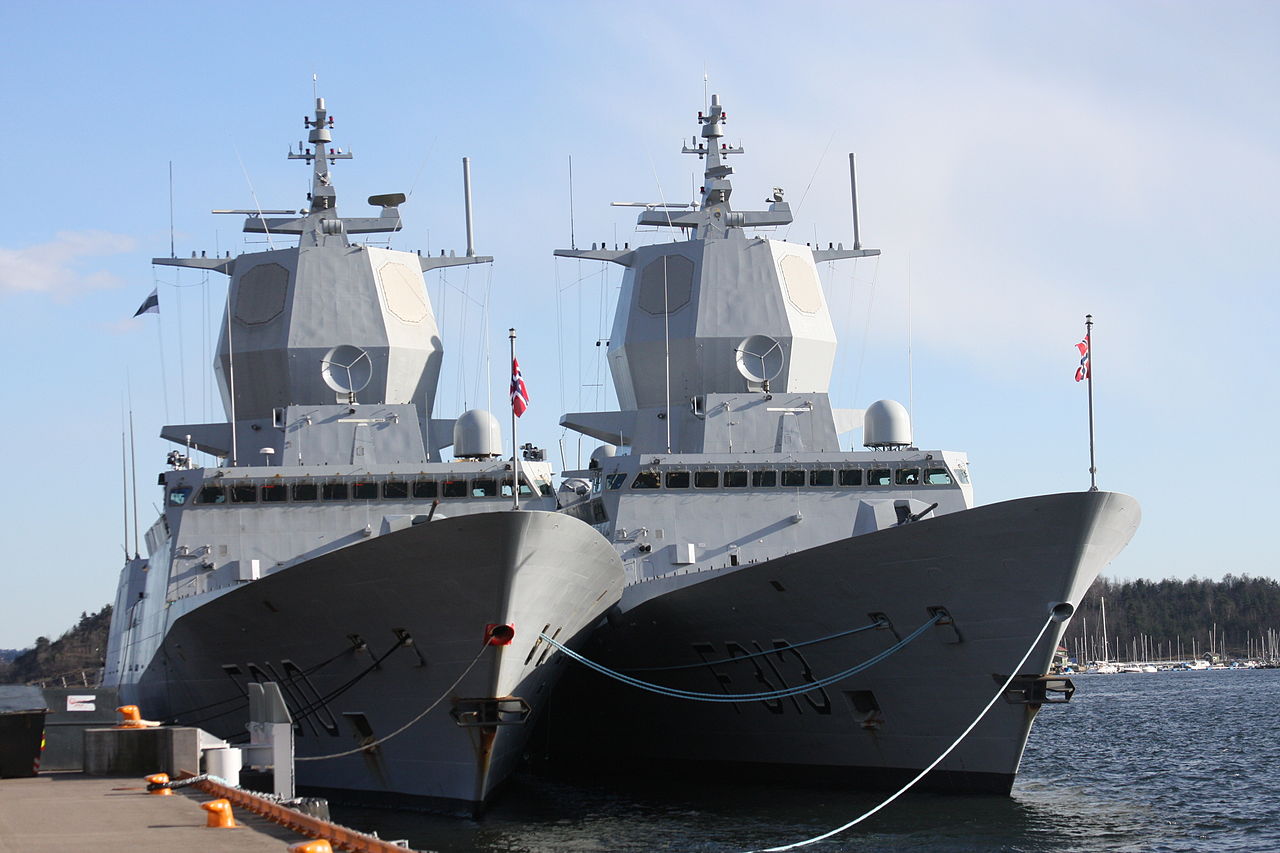
The Fridtjof Nansen-class frigates represent Norway's premier naval combatants and arguably the most capable frigates operated by any Nordic nation. Based on the Spanish Álvaro de Bazán-class design but extensively modified for Arctic operations, these five ships serve as the backbone of Norway's naval defense strategy in an increasingly contested High North. Designed with NATO interoperability as a core requirement, each frigate carries the Aegis Combat System with SPY-1F radar, making Norway one of only four nations operating Aegis-equipped surface combatants. This provides exceptional air defense capabilities critical for protecting Norway's extensive coastline and supporting allied operations in the North Atlantic and Arctic regions. The class embodies a balanced multi-mission design philosophy, combining area air defense, anti-submarine warfare, and surface combat capabilities in a platform optimized for harsh northern waters. The ships feature ice-strengthened hulls and specialized heating systems, enabling year-round operations in conditions that would challenge most naval vessels. In today's threat environment, with increased Russian naval activity in the Arctic and Baltic, these frigates serve as Norway's primary response to submarine incursions and provide critical air defense coverage for northern Norway and Svalbard. Their Aegis systems make them valuable contributors to NATO's integrated air and missile defense architecture, while their ASW capabilities address the growing submarine threat in Arctic waters.
Deployment Map
Home ports from known hull assignments. Operating areas reflect typical AORs — individual deployments will vary.
Timeline
Specifications
Armament
Primary air defense weapon
Norwegian-developed stealth anti-ship missile
Main gun system
Last-line missile defense
Launched from twin torpedo tubes
Embarked ASW helicopter with hangar
Doctrine & Employment
Role
Sea control and maritime domain awareness in the High North, specifically designed to maintain Norwegian sovereignty over contested Arctic waters while providing area air defense for NATO task groups operating in the Greenland-Iceland-UK gap.
Design Philosophy
Prioritized sensor capability and Arctic endurance over magazine depth, accepting a modest 32-cell VLS in exchange for comprehensive Arctic modifications including ice-strengthened hull, winterized systems, and extended fuel capacity. The design sacrificed traditional frigate speed (27 knots max) for seakeeping in harsh northern waters and emphasized NATO interoperability over indigenous systems integration.
Employment
Typically deployed individually or in pairs for sovereignty patrols along Norway's extensive coastline and Svalbard approaches, leveraging their ice-strengthened hulls and Arctic-optimized systems. During NATO exercises, they serve as area air defense anchors for multinational task groups, with their Aegis systems providing command and control for coalition forces. The frigates maintain persistent presence in the Barents Sea and Norwegian Sea, often operating independently for extended periods due to Norway's geography and limited fleet size.
Threat Context
Originally designed to counter Russian submarine transits and provide air defense against maritime strike aircraft in the post-Cold War era when Russia was considered a manageable threat. The threat environment has fundamentally shifted since 2014, with Russia now deploying advanced submarines, hypersonic missiles, and conducting aggressive operations in the Arctic that these frigates were not originally sized to counter alone.
How to Compare
Compare primarily on sensor capability and Arctic operations endurance rather than pure combat capacity - these are specialized platforms optimized for a unique operating environment. Magazine depth matters less than radar performance and interoperability, as these ships are designed to coordinate coalition responses rather than fight major surface actions independently.
Operational Patterns
Typical Deployment
North Sea and Arctic patrols, NATO Baltic missions, occasional Mediterranean deployments
Deployment Length
6 months
Typical Task Group
Independent operations or small NATO task groups, integration with P-8 maritime patrol aircraft
Readiness
Reduced availability due to four-ship fleet and extensive Arctic operations causing higher maintenance requirements
Key Operating Areas
Peer Comparison Matrix
Nansen-class features Arctic modifications, NSM missiles instead of Harpoon, and simplified VLS arrangement with only 8 cells versus 48. Spanish version optimized for Mediterranean, Norwegian for High North operations.
Video angle: How climate and threat environment drive different modifications of the same basic hull - Arctic vs Mediterranean naval warfare requirements
FREMM larger with more VLS cells (16-32) but lacks Aegis integration. Nansen trades payload for superior air defense radar and extreme weather capability. FREMM more general-purpose, Nansen specialized for air defense and Arctic ops.
Video angle: National specialization vs multi-national compromise - purpose-built Arctic frigate versus Mediterranean multi-mission design
Type 26 much larger (8000+ tons) with advanced ASW focus and 24-48 VLS cells. Nansen emphasizes air defense over ASW, smaller and more affordable but less capability. Type 26 blue-water, Nansen regional specialist.
Video angle: Big Navy vs Small Navy frigate philosophy - capability depth versus affordable presence
Gorshkov carries more varied missile load including land-attack Kalibr, but less sophisticated air defense radar. Similar size but Russian design emphasizes offensive strike over defensive integration. Both Arctic-capable.
Video angle: NATO integration versus Russian missile swarm - defensive Aegis architecture versus offensive Kalibr doctrine in Arctic warfare
Constellation based on FREMM but with Aegis integration like Nansen. Will have 32 VLS cells versus Nansen's 8, but Nansen already operational with proven Arctic capability. Constellation represents scaled-up Nansen concept.
Video angle: Small nation innovation influencing superpower procurement - how Norwegian Arctic lessons shaped US frigate requirements
Combat History
HNoMS Helge Ingstad collided with tanker Sola TS in Hjeltefjord, causing catastrophic flooding and total loss of the frigate. Investigation revealed critical failures in damage control and bridge resource management.
Demonstrated vulnerability of modern warships to basic seamanship errors and highlighted importance of damage control training. Led to major review of Norwegian naval procedures and design philosophy for future vessels.
Multiple Nansen-class frigates deployed to counter-piracy operations off Somalia, conducting maritime security patrols and escort missions in the Gulf of Aden.
Validated the class's expeditionary capabilities and multi-mission flexibility in sustained operations far from home waters.
Regular NATO Baltic Sea patrols and exercises, including integration with allied air defense networks and maritime patrol operations in response to increased Russian naval activity.
Proved Aegis interoperability with NATO systems and demonstrated Norway's commitment to collective defense despite small fleet size.
Known Vulnerabilities
Fleet size and availability
With only four operational hulls after Helge Ingstad loss, Norway struggles to maintain continuous presence and faces severe capability gaps during maintenance periods.
Context: Critical given Norway's extensive coastline and increasing Arctic maritime activity requiring persistent naval presence
Mitigation: Increased cooperation with allied navies and potential acceleration of replacement programs
Limited VLS capacity
Only 8 VLS cells compared to 32-48+ on peer frigates limits sustained engagement capability and forces difficult trade-offs between air defense and anti-ship loadouts.
Context: Insufficient for high-intensity conflict against peer adversaries with massed missile attacks
Mitigation: Reliance on quad-packed ESSM maximizes air defense missiles, but no expansion planned
Damage control culture
Helge Ingstad loss revealed systemic weaknesses in damage control training and culture, with crew failing to implement basic flooding response procedures.
Context: Critical vulnerability in wartime when battle damage is expected and proper damage control is survival requirement
Mitigation: Comprehensive retraining program and procedural changes implemented post-2018
Single-point failures
Limited redundancy in key systems due to size constraints makes ships vulnerable to single hits disabling major capabilities.
Context: Particularly concerning given expected missile threat density in Arctic/Baltic operational areas
Mitigation: Emphasis on avoiding engagement rather than surviving hits
Variants
| Variant | Designation | Years | Count | Status | Key Changes |
|---|---|---|---|---|---|
| Baseline | F310-F315 | 2006-2011 | 5 | active | Original configuration with SPY-1F radar, NSM missiles, and Arctic modifications from base Álvaro de Bazán design |
Fleet Roster (5)
| Hull | Name | Variant | Commissioned | Home Port | Status |
|---|---|---|---|---|---|
| F310 | HNoMS Fridtjof Nansen | Baseline | 2006-04-05 | Haakonsvern Naval Base, Bergen | active |
| F311 | HNoMS Roald Amundsen | Baseline | 2007-05-17 | Haakonsvern Naval Base, Bergen | active |
| F312 | HNoMS Otto Sverdrup | Baseline | 2008-01-17 | Haakonsvern Naval Base, Bergen | active |
| F313 | HNoMS Helge Ingstad | Baseline | 2009-05-30 | Haakonsvern Naval Base, Bergen | decommissioned |
| F314 | HNoMS Thor Heyerdahl | Baseline | 2011-01-27 | Haakonsvern Naval Base, Bergen | active |
Modernization Programmes
Helge Ingstad Replacement Study
Norway evaluating options to replace lost frigate capacity, considering new build versus upgrading remaining ships. Options include additional capability upgrades to existing hulls or international procurement.
Impact: Will determine whether Norway maintains five-frigate fleet or accepts reduced capacity with enhanced individual ship capabilities
Combat System Upgrade
Upgraded Aegis baseline and integration of new sensor systems following lessons learned from Helge Ingstad loss. Enhanced damage control systems and bridge integration.
Impact: Improved survivability and situational awareness, addressing critical weaknesses revealed by 2018 collision
NSM Block Upgrade
Integration of latest NSM variants with enhanced range and networking capabilities, maintaining edge in anti-surface warfare.
Impact: Extends anti-ship engagement envelope and improves coordination with land-based NSM systems
Images


Frequently Asked
How many Fridtjof Nansen-class frigate are in service?
4 Fridtjof Nansen-class frigate are currently in service with Royal Norwegian Navy.
When was the first Fridtjof Nansen-class frigate commissioned?
The first Fridtjof Nansen-class frigate entered service in 2006-04-05.
Who builds the Fridtjof Nansen-class frigate?
The Fridtjof Nansen-class frigate is built by Navantia (Spain) / Navantia Fosen (Norway).
How much does a Fridtjof Nansen-class frigate cost?
Unit cost is approximately $650M per hull.
Curated Research
essential
Provides detailed technical analysis of the Aegis Combat System integration and weapons systems modifications for Arctic operations.
Analyzes the strategic context for Norwegian naval operations in the Arctic and the role of surface combatants in High North security.
recommended
Provides comprehensive analysis of Arctic naval competition and Norway's role in NATO's northern flank defense strategy.
Official Norwegian doctrine explaining how these frigates integrate into national defense strategy and NATO operations in the High North.
Leading analyst on Norwegian Arctic strategy and the operational employment of these frigates in contested northern waters.
reference
Comprehensive technical specifications and modification details specific to Norwegian Arctic requirements versus the baseline Spanish design.
Authoritative source for detailed specifications, modifications history, and operational status of all five hulls in the class.
Watch Fridtjof Nansen in Action
Iron Command produces in-depth comparison and analysis videos for military equipment.
Watch on YouTube